
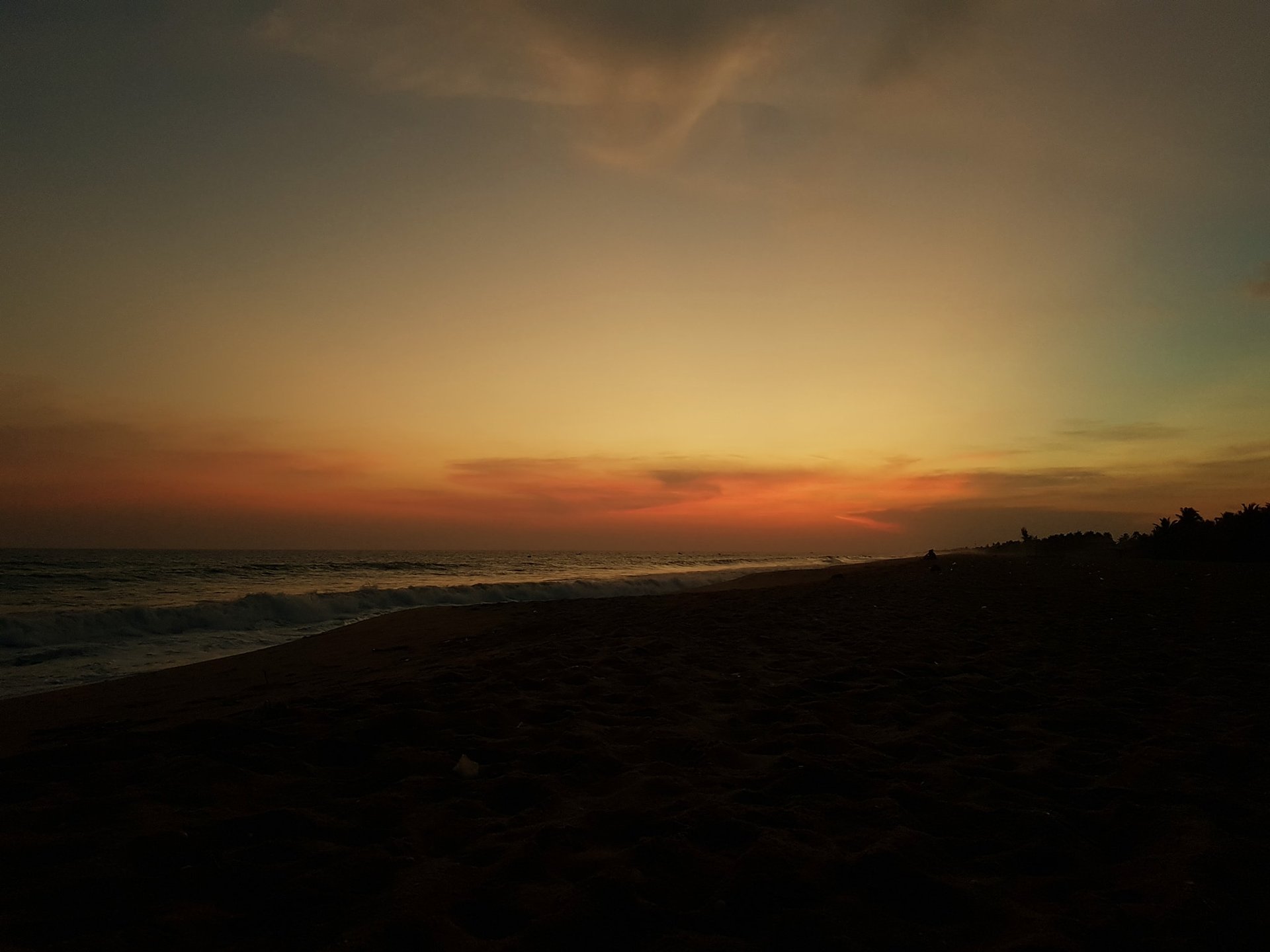
Surf and Bodyboard in Grand-Popo: Atlantic Waves
The Atlantic Ocean that washes Grand-Popo's shores offers regular, powerful waves, especially between November and March. Without rivalling the legendary spots of Morocco or South Africa, surf bodyboard Grand-Popo attracts a growing community of riders seeking authentic waves, far from crowds and commercial competitions.
To discover all the water experiences the destination offers, see our guide to Grand-Popo activities. And if you also want to explore the calmer side of water, our page on the pirogue excursion on the Mono will introduce you to the river's gentle waters.
Surfing in Grand-Popo
Surfing in Grand-Popo remains a low-key activity, and that is its charm. No competition for waves, no aggressive line-up, no access fees. You share the ocean with fishermen in pirogues and a few passionate locals who learned to read the swell on their own.
Grand-Popo's waves are beach breaks that break over a sandy bottom. Their size varies from 0.5 to 2 metres depending on swell and tide. Their power is moderate, making them approachable for intermediate surfers while remaining interesting for more experienced ones.
Wave quality depends on several factors: the Atlantic swell that travels thousands of kilometres before reaching the Beninese coast, the wind that needs to be light or offshore for a smooth surface, and the tide that modifies the shape and power of the wave.
Optimal conditions occur in the morning, before 9am, when the wind is calm and the water surface smooth. In the late afternoon, the sea breeze generally picks up and degrades wave quality.
Waves and ideal season
Grand-Popo's surf season follows the rhythm of the Atlantic swell. The best period runs from November to March, during the long dry season.
November to March (peak surf season). The north-west swell generates regular 1 to 2 metre waves. Wind conditions are most favourable, with mornings often calm. Water temperature is pleasant, around 26-28 degrees. No wetsuit needed: a shorty or simple boardshorts suffice.
April to June (mid-season). The swell decreases and waves become smaller and less regular. Surfable days become rarer. The south-west wind strengthens and degrades surface quality. Mornings remain the best time to try your luck.
July to October (low surf season). Swell is weak and waves rarely exceed 0.5 metres. The rainy season brings unstable winds. This period is mainly for bodyboarding and the determined. November marks the return of regular swells.
For surfers planning a trip, January and February offer the most reliable conditions: regular swell, calm morning wind, maximum sunshine.
Best surf spots
Central beach (in front of Lion Bar). Grand-Popo's most accessible spot. The beach break offers left and right waves of moderate size (0.5 to 1.5 metres). Sandy bottom, few rocks. Ideal for intermediate surfers and bodyboarders. Access is directly from Lion Bar beach.
Avlo (5 km west). The wilder Avlo beach receives slightly more powerful swell. Waves are less regular but sometimes more hollow. The spot is less crowded, even deserted on weekdays. Note: swimming is more exposed to currents here.
Bouche du Roy (10 km west). The most advanced spot in the region. The Bouche du Roy channel, where the Mono River meets the ocean, creates unique conditions: currents generate longer, more powerful waves with hollow sections. For experienced surfers only. The presence of rocks and shifting sandbanks requires careful reading of the water.
For bodyboarders, Avlo and central beach offer the best conditions, with waves powerful enough for dynamic manoeuvres.
Before heading to a spot, observe the ocean for 15 minutes. Identify current zones, exposed rocks and set frequency. Talk to local fishermen: they know the sea better than anyone and will point out dangerous areas.
Equipment rental
Surf and bodyboard equipment in Grand-Popo is still scarce. Here is what you can find on site:
Bodyboards. A few accommodations and small shops near the beach rent bodyboards. Condition varies: inspect the board before paying (leash, slick, rail). Price: 5,000 to 10,000 FCFA (8 to 15 EUR) per day.
Surfboards. Surfboards are almost impossible to find in Grand-Popo. No specialist shop exists in town. If you are a regular surfer, bring your own board. Airlines generally accept surfboards as sports baggage (possible extra fee).
Wetsuits. Unnecessary: the water is 26-28 degrees year-round. A shorty can be comfortable for long sessions, but simple swim trunks and a rashguard suffice.
Leashes and accessories. Accessories (leash, pads, wax) are almost unattainable. Bring all your basic equipment before coming.
If you bring your board, a padded travel bag is recommended to protect it during air transport. The Boeing 737 serving Cotonou from Paris or Brussels accepts boards up to 7 feet without excessive fees.
Surf schools and beginner sessions
Structured surf lesson offerings are still embryonic in Grand-Popo. No permanent surf school with certified instructors exists. Here is how to proceed:
Beginner session with a local guide. Some sports guides offer surf and bodyboard introductions. The level of supervision varies: check that the guide knows basic safety rules and local currents. Price: 15,000 to 25,000 FCFA (23 to 38 EUR) for a two-hour session, equipment included.
Self-learning. For beginners who already have good physical fitness, bodyboarding is easier to pick up alone. The small, regular waves of the central beach are a good training ground.
Lessons in Cotonou. If your stay starts in the capital, a few surf clubs offer lessons there. The swell is less regular than in Grand-Popo, but coaching is more professional.
For beginners, we recommend bodyboarding as an entry point: more accessible, less technically demanding, and just as thrilling when you catch your first wave.
Safety and currents
The Atlantic Ocean is not a pool. Currents can be powerful, especially at low tide and near river mouths (Bouche du Roy). A few essential safety rules:
Never surf alone. Even if you are an experienced surfer, the changing Atlantic conditions can surprise. A partner can raise the alarm if needed.
Identify currents. Rip currents are frequent on Grand-Popo's beaches. They are recognisable as a calmer, darker patch of water between breaking waves. If caught in a rip, do not fight it: swim parallel to the shore to escape.
Respect the fishermen. Fishermen's pirogues operate in the surf zone. Do not position yourself between a pirogue and the open sea. Learn to recognise nets (often marked by plastic buoys).
Ask about conditions. Talk to local fishermen before entering the water. They know the currents, rocks and day's dangers. A small gesture (500 FCFA, about 0.80 EUR) is appreciated for their advice.
Tides. Low tide reveals rocks and wrecks on some beaches. Check tide times before choosing your spot. Rising tide is generally safest.
Bodyboarding: an accessible alternative
Bodyboarding is the most practical surf activity in Grand-Popo. More accessible, less demanding in equipment, it lets you taste the Atlantic waves without surfing's constraints.
Bodyboards are easily rented from beachfront accommodations. A few models are even available for purchase at the Grand-Popo market for 10,000 to 15,000 FCFA (15 to 23 EUR). Fins, which aid propulsion and control, can be brought or improvised (water shoes work for starters).
The best conditions for bodyboarding are the same as for surfing: calm morning, 0.5 to 1.5 metre swell. Slightly smaller waves that surfers would deem insufficient are perfect for bodyboarding: the body, closer to the surface, catches them more easily.
Bodyboarding is particularly suited to children and adults who have never ridden a wave. The risk of injury is lower than in surfing (no hard board coming back at your face, no high falls).
For experienced bodyboarders, Bouche du Roy waves offer hollow sections that allow aerial manoeuvres (rolls, 360s). The power of the Atlantic is fully felt in this wild tube, but the danger is real for those who cannot read the currents.
FAQ -- Surf and bodyboard in Grand-Popo
When to come surfing in Grand-Popo? The best period is November to March, peaking in January-February. Swell is regular and morning winds are favourable.
Should I bring my own equipment? For surfing, yes: boards are unavailable in Grand-Popo. For bodyboarding, rental is possible from accommodations (5,000 to 10,000 FCFA per day, 8 to 15 EUR).
Are the waves dangerous? Atlantic currents are powerful. Never surf alone and ask local fishermen before entering the water. Areas near the Mono River mouth (Bouche du Roy) are particularly exposed.
Are there surf lessons? No permanent school, but local guides offer introductions. Contact our team to be put in touch with a competent instructor.
Can I combine surfing and sightseeing? Yes. Morning is ideal for surfing (clean waves, calm wind) and afternoon for exploring the mangroves, Bouche du Roy or salt pans.
Plan Your Visit
Discover the magic of Grand-Popo with our curated local experiences.