
Living in Grand-Popo: testimonial from an expat on the coast
My name is Sophie, I am 34, and I have been living in Grand-Popo for two and a half years. Before, I was a marketing project manager in Lyon. Today, I run a small sustainable tourism consultancy from my villa in Ahozon, with a view of the coconut palms and the Atlantic as background noise. This is my story, with the good parts and the difficult ones.
Why Grand-Popo and not somewhere else
It all started with a three-week trip to Benin. I planned to visit the classic sites: the Door of No Return in Ouidah, the royal palaces of Abomey, the Pendjari reserve. Grand-Popo was just a two-night stop on my itinerary.
I never left the town.
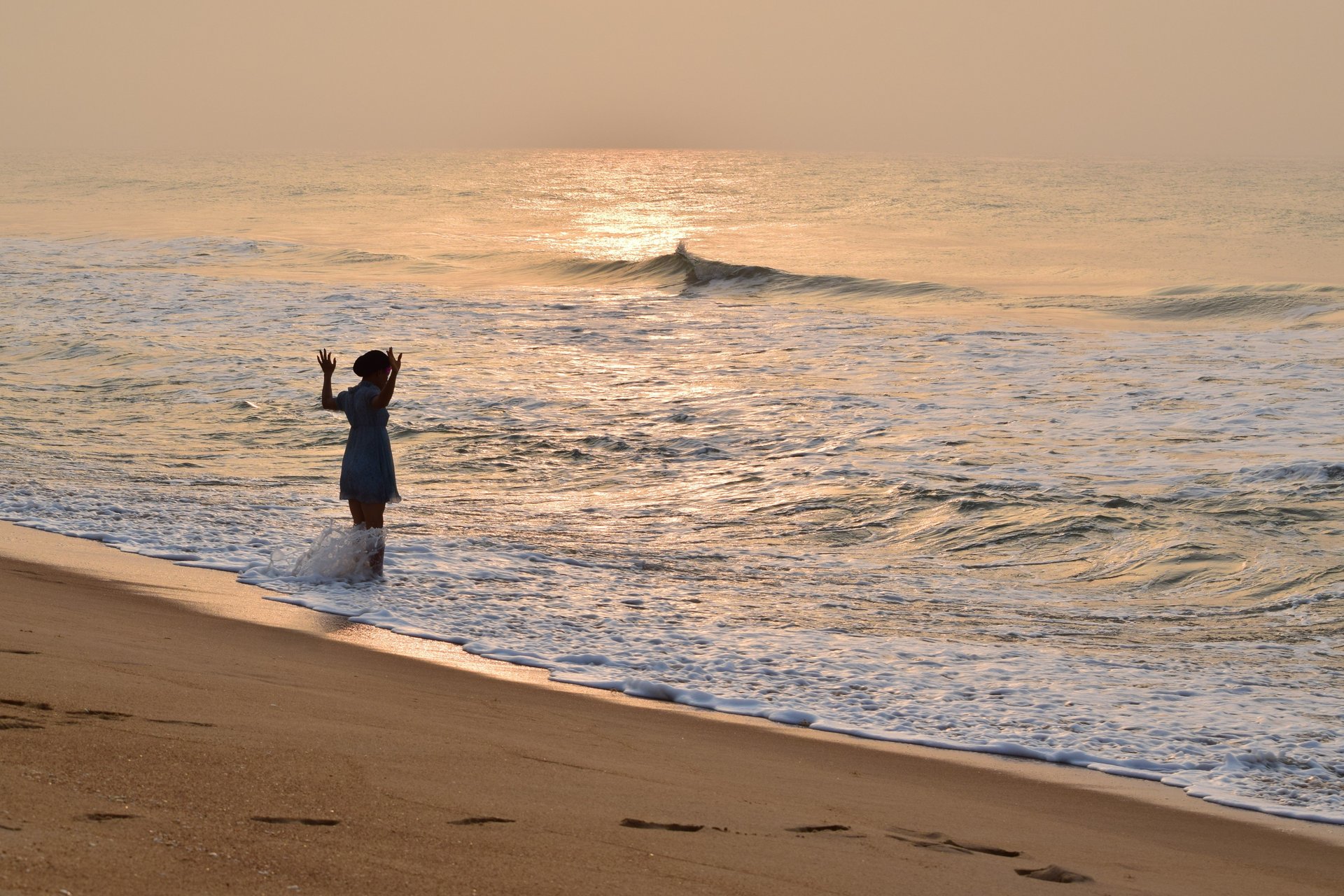
There is something magnetic about this strip of sand between the Mono River and the ocean. Perhaps the contrast between the power of the Barre and the softness of the coconut groves. Perhaps the smile of the people. Perhaps the silence, that deep silence you only hear at night when the waves retreat and the coastal birds begin their chorus.
I had travelled to Senegal, Ghana and Morocco. I had never felt that immediate sense of belonging. As if a place had been waiting for you without you knowing it.
Back in Lyon, the contrast was stark. The metro, open-plan offices, artificial light. Within three months, I had handed in my resignation, sold my apartment and bought a one-way ticket to Cotonou.
First steps: harder than the photographs suggest
The first months were not plain sailing. Arriving alone in Grand-Popo without a network or a local contact is a genuine leap into uncertainty.
I spent my first weeks in a beachfront ecolodge while searching for accommodation. Each morning, I sat on the beach with my laptop and watched the fishermen bring in their pirogues. I did not work much. I watched life go by. And I came to understand that watching life go by here is not wasting time.
Finding a villa to rent was more complicated than expected. Online listings are rare. I eventually found one by walking the streets of Ahozon and asking neighbours directly. A woman pointed me to her cousin's house, who had left for Cotonou for work. Three-room villa with garden, 200,000 FCFA (305 EUR) per month. A revelation for someone used to Parisian rents.
Daily life: what the photos do not show
My daily life in Grand-Popo is disarmingly simple. What I had not told myself was that simplicity is a muscle that has to be trained.
I wake with the sun, around 6:30am. Coffee on the terrace, a few emails, then a walk on the beach before the heat becomes too strong. The fishermen of the Xwla village wave to me. I am starting to recognise faces, pirogues, nets.
The morning is for work. My MTN 4G connection is enough for video calls with European clients. I learned to schedule these before 11am when the network is most stable. At midday, the heat demands a proper break: nobody works effectively through 32 degrees without air conditioning. I make a light lunch: green papaya salad, rice, grilled fish bought at the market that morning. I pay about 600 FCFA (0.91 EUR) for two beautiful bream. The same fish in France would cost around 14 euros.
In the afternoon, I work a little more or read under the fan. Around 4:30pm, it is time to go out. I meet friends at Lion Bar for the sunset. Fresh fruit juice, the sound of the waves, conversations that run on without anyone checking the time.
In the evening, I cook or eat at Chez Paterne. Sometimes I stop at the night market for yam fritters fried in palm oil. 150 FCFA a portion. Some nights I fall asleep to the waves as my only company.
The encounters that change things
The expat community in Grand-Popo is small, which is a real asset. Everyone knows each other or gets to know each other within days of arrival.
I met my first friends at Lion Bar, naturally. A Belgian photographer who has lived here for five years, a French-Beninese woman who returned from Paris to open an ecolodge, a Swiss couple running a cafe on the beach. That first evening with them lasted until one in the morning.
But the most significant encounters have been with locals. My neighbour Paul, a retired fisherman, teaches me Xwla. We sit under the kapok tree in his garden twice a week. My level stays modest, but every word learned opens a new conversation. Twice a week, I go to the market with Rosalie, my neighbour across the street. She explains the names of vegetables, the fair price, the traditional recipes. Those two hours at the Saturday market have become the moment I look forward to most in any given week.
I am in a few expat WhatsApp groups. Mutual support is consistent and real: when someone leaves, furniture moves to whoever needs it. When someone arrives, the group helps them find a reliable plumber or landlord. An informal solidarity model that functions without any organisation.
For more on meeting opportunities, read our guide to the expat community in Grand-Popo.
The challenges: what nobody tells you before you leave
I am not going to idealise this. Living in Grand-Popo involves real challenges that are better known in advance.
Power cuts, first. They are less frequent than a few years ago, but they still happen, particularly in the rainy season. I invested in a UPS and backup battery in the first few months. Total cost: 350,000 FCFA (533 EUR). A necessary investment when your income depends on being online and every cut is a lost hour.
Distance, next. Cotonou is two hours away by road. For specific shopping, specialist medical appointments or administrative tasks, you have to travel. I cannot receive an express delivery parcel. I have gradually learned to live with this. What I have less of, I do without. And I often discover I did not really need it.
Emotional isolation, sometimes. The community is welcoming, but I do not see my family for months at a time. Video calls maintain the connection but do not replace physical presence. That is the cost of this life, and I accept it.
Administrative tasks: the residence permit, opening a professional bank account, tax filings for my consultancy. Nothing unsurmountable, but each one requires patience, sometimes some humour, and help from a local contact who knows the right people to speak to.
What keeps me here
So why do I stay?
For the silence of nights with no traffic, broken only by waves and the frogs in the garden. For sunsets that last a full hour and leave you without words. For the laughter of children running to school who wave as they pass. For the taste of fish grilled over palm wood, which I will not find replicated anywhere in France. For the naturalness of Xwla women carrying baskets on their heads, who teach me something about posture without ever trying to.
I stay because here, I feel like I am living each day fully. Time has a different texture. Relationships are direct and genuine, without the social performance that exhausts you in big cities. Nature is present and powerful at every hour.
And I know that if I ever leave, something of me will remain in the sand of Grand-Popo.
Advice for those who are considering the same move
To those hesitating to take the leap:
- Come on holiday first, outside peak season: spend two weeks here in April or May. If you enjoy Grand-Popo's quiet without the tourists, you will enjoy it year-round.
- Budget a three-month safety fund: the first months are always more expensive than expected between the deposit, furniture and the time to settle. See our cost of living analysis.
- Do not stay confined to expat circles: that is the classic trap. Learn French well, then a few words of Fon or Xwla. Go to the market. Accept every invitation. Benin rewards those who lean into it.
- Be patient with everything: work, deliveries, administrative procedures. Everything takes longer. Breathe, look at the ocean, and remember why you came.
- Listen to long-term residents before signing anything: they have made the mistakes before you. Ask them before signing a lease or buying land.
What helped me most, looking back, was taking the time to understand the neighbourhoods before committing to a rental. See our guide on real estate in Grand-Popo that I wish I had when I arrived. And listen to the smile of the people. It does not deceive.
Plan Your Visit
Discover the magic of Grand-Popo with our curated local experiences.