
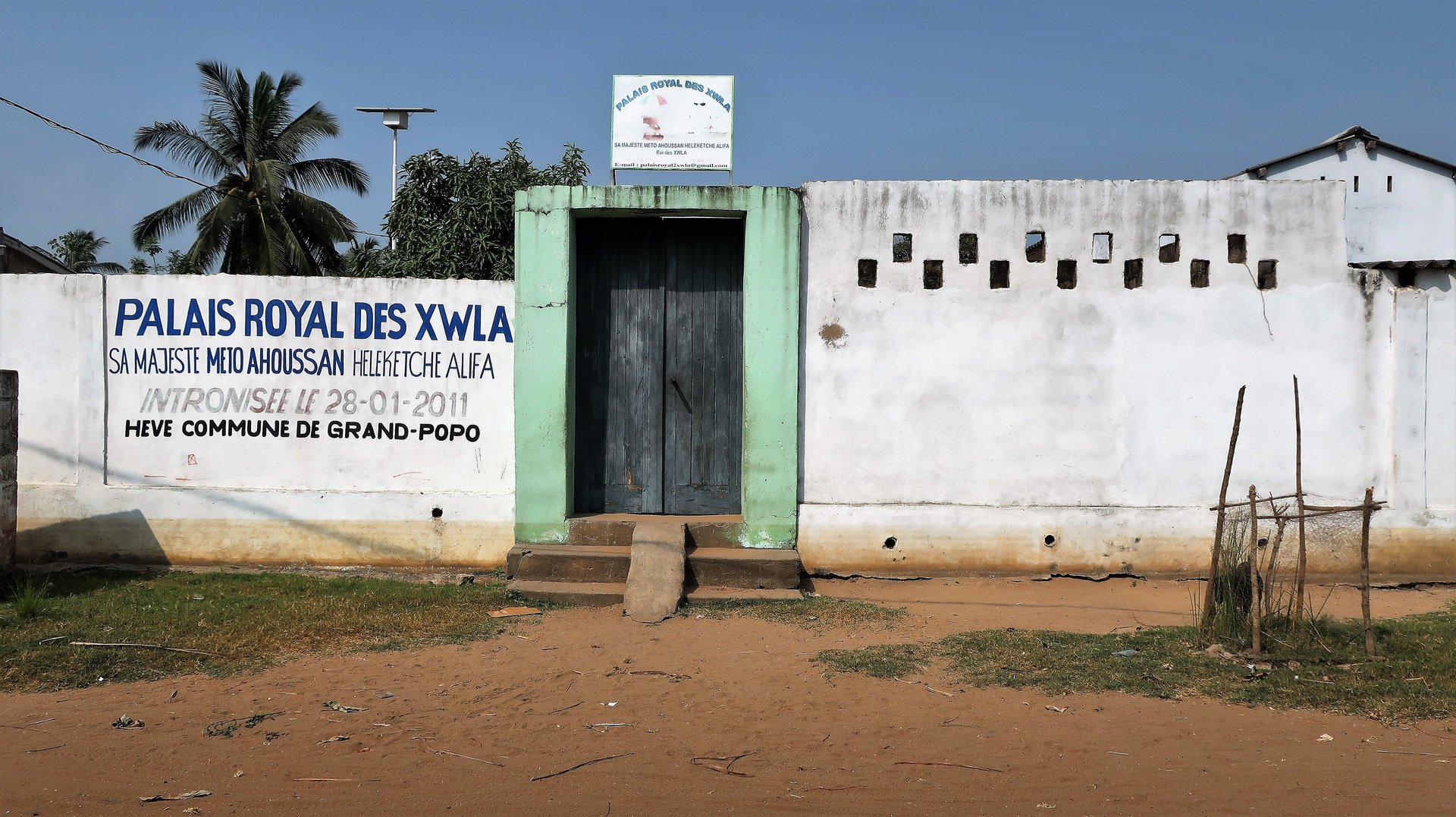
The Xwla People of Grand-Popo: History, Culture and Traditions
When you speak of Grand-Popo, you speak of the Xwla people. The Xwla are the ancestral guardians of this coastal strip between ocean and river, a lagoon people shaped by water and salt. Understanding who the Xwla are means understanding the very soul of Grand-Popo. Their history, language and traditions weave the cultural fabric of this destination still untouched by mass tourism. This guide invites you to discover the Xwla people Grand-Popo in all their richness. For the broader cultural context, read our culture and heritage guide.
Who are the Xwla
The Xwla (pronounced "h-wla") are a subgroup of the Aja-Fon people, settled for centuries on the coast of Benin and Togo. Their name means "those who lean on the wall" or "those of the earth rampart", referring to the natural dikes that border the waterways where they built their villages. The term "Xwla" refers to both the people and their language.
With an estimated population of about 60,000, the majority concentrated in the commune of Grand-Popo and the coastal villages of the Mono, the Xwla form the indigenous community of this region. Their identity is inseparable from their lagoon environment: they are fishermen, navigators and salt-makers.
Origins and migration
Xwla oral accounts trace a migration from Tado, the mythical cradle of the Aja people in present-day Togo. In the 15th and 16th centuries, successive waves of Aja populations descended from the Abomey plateau toward the coast, driven by conflicts and the search for new resources.
Arriving on the coastline, the Xwla settled on the banks of the Mono River and along the coastal lagoon. They developed a distinctive culture adapted to this amphibious environment: stilt villages, dugout pirogues, brackish-water fishing and salt production by evaporation.
Their history is marked by exchanges with Europeans arriving from the 17th century. The Xwla supplied salt, dried fish and palm oil to European trading posts, playing the role of intermediaries between the coast and the interior.
Social organization
Xwla society is organized into patrilineal clans, each tracing back to a common founding ancestor. The village chief, called "Togbessi", is traditionally the descendant of the first occupant of the territory. He manages land disputes, organizes collective ceremonies and represents the community before modern authorities.
Elders, Vodun priests and fishing chiefs form the village council. Important decisions, such as dates for collective fishing or ceremonies, are taken in assembly under the palaver tree, a giant silk-cotton tree that stands at the center of every Xwla village.
The extended family remains the social core. Several generations often live in the same compound, sharing daily tasks and children's upbringing.
The Xwla language
Xwla (or Xwlagbe) is a language of the Gbe group, related to Fon and Gun. It has about 50,000 speakers, mainly concentrated in the commune of Grand-Popo and a few villages in southwestern Benin.
Xwla is a tonal language with three tones: high, mid and low. The same word can change meaning depending on pitch. For instance, "xwe" means "house" on a mid tone and "year" on a high tone.
Today, French is the official language of school and administration, but Xwla remains the everyday language in villages and markets. Local initiatives, such as radio programs in Xwla on Avlo's community radio, contribute to its vitality.
Rites and ceremonies
The Xwla people Grand-Popo practice Vodun as their ancestral religion. Each clan has its protective deities: Hevioso (god of thunder), Dan (rainbow serpent) and Mami Wata (water deity) are particularly venerated in this lagoon community.
Major ceremonies mark the Xwla year. The water festival, at the start of the dry season, honors the spirits of the river and ocean. Priests throw offerings into the Mono to ensure abundant catches. The Vodun festival on January 10 is celebrated with fervor in every village.
Rites of passage mark every Xwla's life. Birth, initiation into adulthood and funerals are times of collective gathering when the community closes ranks around families.
Fishing and relationship with the sea
Fishing is the central economic and cultural activity of the Xwla. Men, women and children participate in a complex chain: men go out in pirogues on the river or sea, women smoke and dry the fish, children help with sorting and net maintenance.
Traditional fishing techniques are passed from father to son. Net fishing, trap fishing and line fishing are the most common. The Xwla have an intimate knowledge of tides, currents and fish migrations.
The relationship with the sea is both nourishing and spiritual. Before the major seasonal fishing expeditions, Vodun priests bless the pirogues and nets in a ceremony called "kple". This blessing ensures protection and prosperity for the fishermen.
A living heritage
Far from being a museum culture, the Xwla people Grand-Popo lives its heritage daily. Young people learn fishing, language and traditions while going to school and using smartphones. This ability to adapt is the mark of Xwla resilience.
Oral transmission remains the main vector of culture. Tales, proverbs and songs pass on values and knowledge. Local festivals, such as the fishing festival in Adjaha, keep traditions alive while attracting a wider audience.
Xwla craftsmanship, particularly basketry and pottery, is experiencing renewed interest thanks to cultural tourism. Xwla women produce baskets and mats from palm fibers, sold to visitors as authentic souvenirs.
Meeting Xwla communities
Several Xwla villages are accessible to travelers seeking cultural immersion. The village of Adjaha, near Bouche du Roy, regularly welcomes visitors. Local guides organize meetings with fishing families and artisans.
For an authentic experience, choose visits organized by Xwla guides themselves. They will present their culture with accuracy and respect. Expect 10,000 to 15,000 FCFA (EUR 15 to 23) for a half-day immersion, including a village tour, a fishing demonstration and a traditional meal.
A few rules of etiquette: always ask permission before photographing, accept an offering of water or cola nuts (refusing is impolite), and dress modestly in villages. These simple gestures open the door to genuine encounters with the Xwla people.
Plan Your Visit
Discover the magic of Grand-Popo with our curated local experiences.